


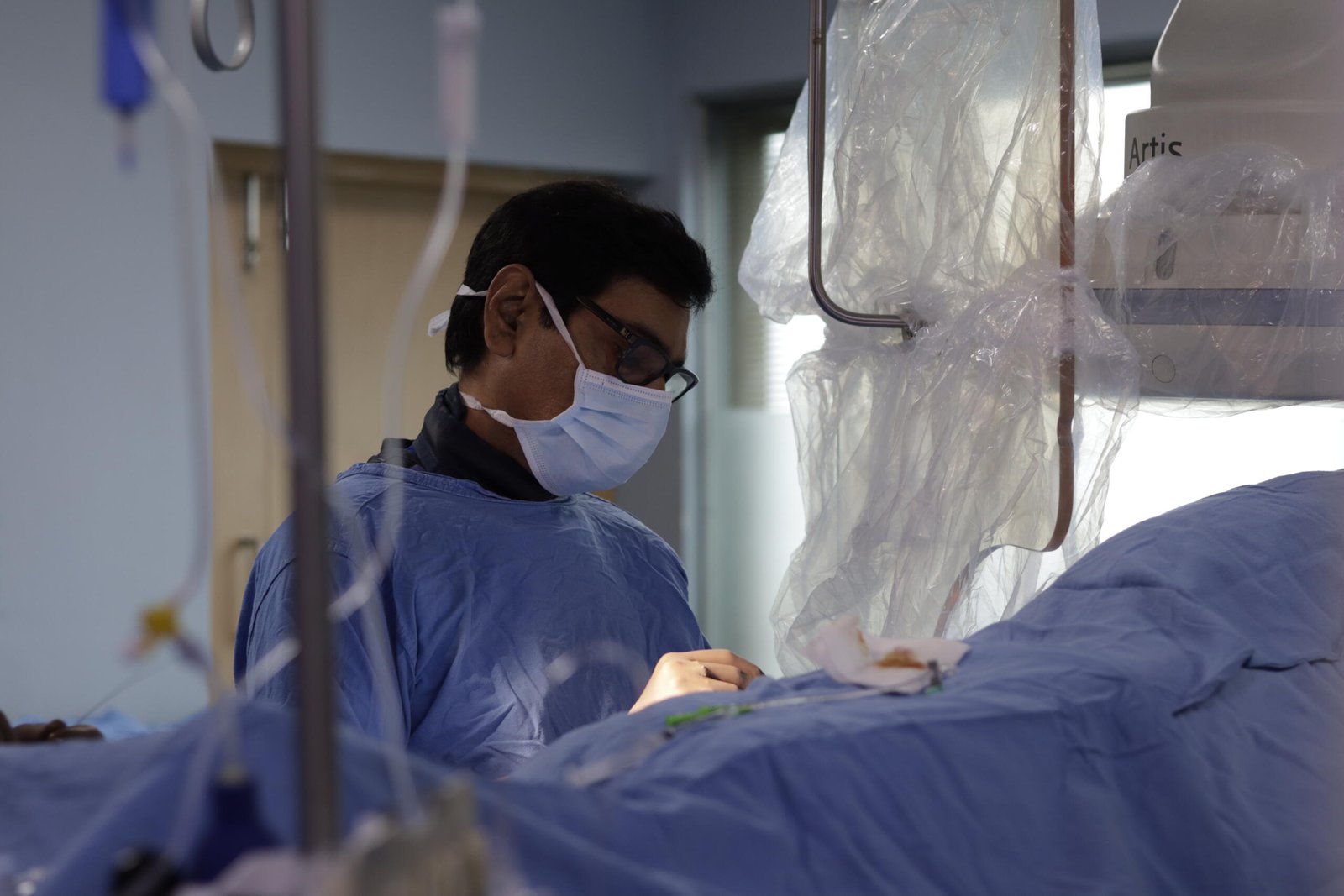
Coronary artery disease (CAD) is one of the most common cardiovascular conditions affecting millions worldwide. Timely diagnosis and effective treatment can prevent severe complications like heart attacks.
What is Coronary Artery Disease?
CAD occurs when the arteries supplying blood to the heart muscle become narrowed or blocked due to plaque buildup (atherosclerosis). This reduces oxygen flow, causing symptoms like chest pain (angina), fatigue, and breathlessness.
Recognizing Symptoms of CAD
- Chest discomfort or pressure, often triggered by physical activity.
- Shortness of breath.
- Fatigue and weakness.
- Dizziness or lightheadedness.
- Symptoms may be subtle in women or elderly patients, leading to delays in diagnosis.
Diagnostic Methods for CAD
A cardiologist relies on a series of tests including:
- ECG Test: Measures the electrical activity of your heart to detect abnormalities.
- Echocardiogram: Uses ultrasound waves to visualize heart structures and function.
- Stress Test: Evaluates heart performance under physical exertion.
- Coronary Angiography: An invasive but definitive method to see artery blockages.
Treatment Options for Coronary Artery Disease
- Lifestyle Modifications: Diet rich in vegetables, fruits, and whole grains; regular exercise; smoking cessation.
- Medications: Statins to lower cholesterol, blood pressure medicines, aspirin to reduce clotting.
- Interventional Procedures: Angioplasty with stent placement or coronary artery bypass graft surgery (CABG) in severe cases.
Prevention and Management
Early diagnosis enables lifestyle changes and medical interventions to control CAD progression and improve quality of life. Regular follow-ups with your South Delhi cardiologist ensure treatments are tailored for the best outcomes.